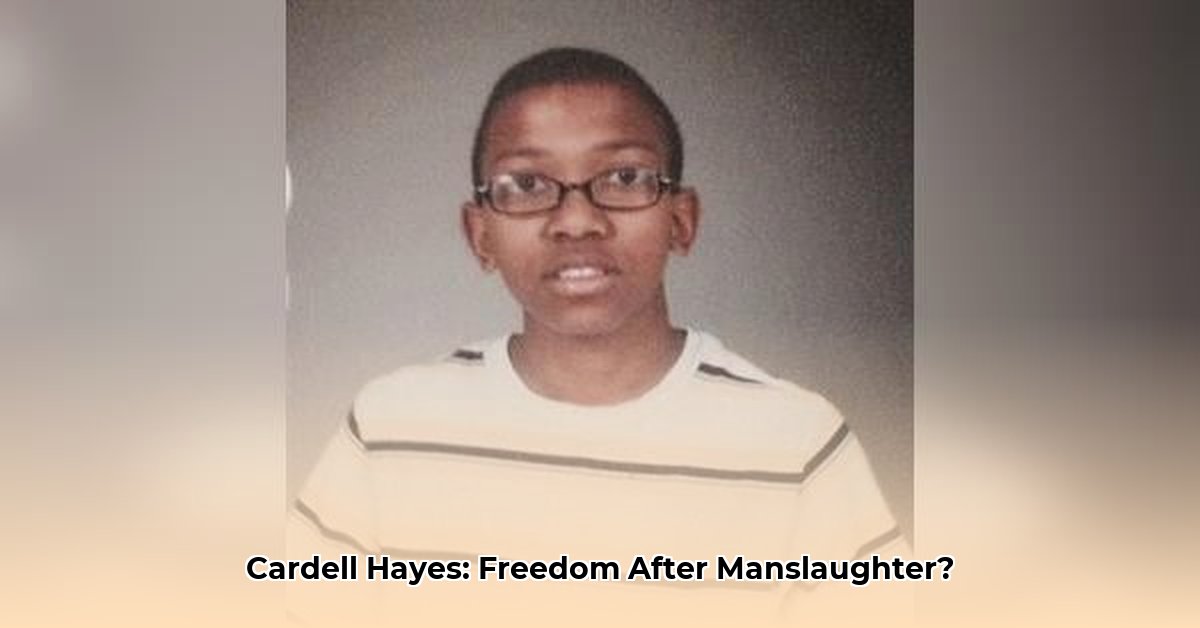
The Cardell Hayes Case: A Complex Legal Battle Beyond Financial Considerations
While the precise net worth of Cardell Hayes remains undisclosed and is ultimately irrelevant to the core legal issues, his case offers a compelling study in the intricacies of Louisiana's justice system. The manslaughter conviction stemming from the tragic death of former NFL player Will Smith raises profound questions about self-defense, jury deliberations, sentencing disparities, and the broader implications for legal fairness. This analysis delves into the legal complexities, avoiding speculation about Hayes' finances and focusing instead on the significant legal and societal ramifications of the case.
The Conviction and Subsequent Sentence Reduction: A Timeline of Legal Challenges
Hayes' legal journey has been marked by significant twists and turns. His initial 25-year sentence, resulting from a non-unanimous jury verdict, was later deemed unconstitutional by the Supreme Court. A retrial ensued, culminating in another manslaughter conviction but with a reduced sentence of 22 years and two months. This fluctuating legal landscape underscores the ongoing debate surrounding fairness and consistency within the judicial process. How effectively does the system balance legal precedents with the specifics of individual cases? The disparity in sentencing highlights the need for clearer legal guidelines and a deeper examination of the application of justice. Is a consistent and equitable application of the law achievable within the current framework?
Self-Defense Arguments and the Ambiguity of Evidence
The core of the Hayes case hinges on the validity of his self-defense claim. The presented evidence allowed for conflicting interpretations, leaving room for considerable debate about the exact events leading to Smith's death. Did Hayes act in self-defense, or was his claim merely a defense strategy? The lack of a clear consensus on this critical element directly impacts the overall perception of fairness within the case. The debate over the amount of time served during pre-trial confinement further complicates the case, underscoring the need for more transparent and clearly defined legal procedures regarding pre-trial confinement.
The Broader Impact: Families, Media, and Public Perception of Justice
The consequences of the Hayes case extend far beyond the courtroom. The Smith and Hayes families have both undeniably experienced immense grief and loss. The high-profile nature of the case, amplified by Will Smith's previous NFL career, contributed significantly to the intense media scrutiny. Did the media's intense coverage influence public perception, potentially affecting the outcome of the trial or the public’s understanding of the events? This raises important questions regarding the interaction between media representation and the pursuit of justice.
Systemic Issues: Louisiana's Justice System Under the Microscope
The Hayes case serves as a powerful case study in the challenges faced by Louisiana's justice system. The controversial practice of non-unanimous jury verdicts, central to the initial conviction, and inconsistencies in sentencing guidelines are both areas requiring immediate reform. Louisiana's sentencing guidelines impact manslaughter cases with self-defense claims in complicated ways, leaving room for inconsistencies and potential biases. The case has become a symbol of the necessity for comprehensive reforms to ensure more impartial and equitable treatment within the legal system.
The Path Forward: Fostering Reform and Reconciling Differences
The Cardell Hayes case should act as a catalyst for positive change within the Louisiana legal system and potentially nationwide. It’s a stark reminder that the pursuit of justice requires ongoing evaluation and improvement, extending beyond individual cases towards a broader reform of the legal and criminal justice systems. The focus must remain on creating a fairer, more compassionate, and more effective legal framework for dealing with violent crime. A more consistent application of sentencing guidelines, together with enhanced judicial training and clearer legal standards, appears necessary.